Whole-Child Transplantation: Multidisciplinary Care in Pediatric Transplantation

About Charleston

Known as the ‘Holy City’, Charleston is often described as the heart of the Lowcountry, where history, coastal life, and Southern culture overlap. Founded in 1670, it’s one of the oldest cities in the U.S., and that history is everywhere: cobblestone streets, pastel Georgian and Federal homes along the Battery, church steeples punctuating the skyline, and preserved plantations just beyond the city. Charleston played a major role in early American trade, the Civil War, and African American history, and today it’s also a center for Gullah Geechee culture, which deeply influences the region’s language, food, and traditions.

The city is renowned for its culinary scene, especially Lowcountry cuisine; think shrimp and grits, she-crab soup, oysters, and fresh seafood pulled straight from nearby waters. Charleston consistently ranks among America’s top food cities, blending traditional Southern cooking with modern, chef-driven innovation. Beyond food, the city offers a slower, walkable rhythm: horse-drawn carriages, waterfront promenades, shaded gardens, and easy access to beaches like Folly Beach, Sullivan’s Island, and Isle of Palms.

Charleston also has a strong arts and culture presence. It hosts the Spoleto Festival USA, an internationally recognized celebration of opera, theater, dance, and music, alongside a lively local scene of galleries, historic theaters, and live jazz venues. Museums such as the Charleston Museum (the oldest in the U.S.), the Gibbes Museum of Art, and sites like Fort Sumter offer deep dives into both art and history.

What often surprises people is how livable and nature-connected Charleston feels. Marshlands, tidal creeks, and barrier islands surround the city, making kayaking, sailing, and sunset walks part of everyday life. The pace is gentler than many major cities, but the depth of what Charleston offers - history, food, culture, and coastal beauty - makes it a place where visitors often feel there’s more to

Charleston CVB has created a wonderful attendee guide where you can read up on attractions. Top things to do, restaurants, outdoor adventures, live music, shopping, tours and activities, insider deals and more.

ATTRACTIONS

There is much to see and do in Charleston but here are some of our favorites.

1. Walk the Rainbow Row

One of Charleston’s most photographed spots, Rainbow Row is a stretch of 13 colorful Georgian-style homes along East Bay Street. Painted in soft pastel hues, these historic buildings date back to the 18th century and were once bustling merchant shops. Today, Rainbow Row stands as a symbol of Charleston’s charm and architectural preservation. It’s a must-see for any first-time visitor. While there, make sure to explore the rest of the historic district, stopping at the French Quarter and the Charleston City Market!

2. Fort Sumter National Monument

Take a scenic ferry ride across Charleston Harbor to Fort Sumter, where the first shots of the Civil War rang out in 1861, marking one of the most pivotal moments in American history. Passengers on the 09:30 tour have the unique honor of participating in the flag-raising ceremony, a moving experience that sets the tone for their visit.

Fort Sumter Tours is the authorized concessioner offering the only boat service to and from Fort Sumter that actually docks at the Fort.

3. Visit the Boone Hall Plantation & Gardens

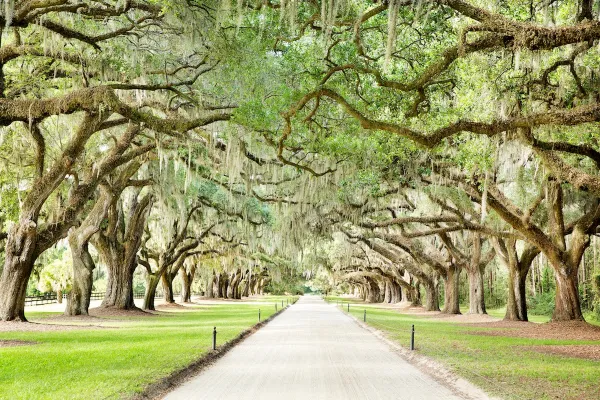
Boone Hall Plantation was founded in 1681 when Englishman Major John Boone came to Charleston and established a lucrative plantation and gracious home on the banks of Wampacheone Creek. The family and descendants of Major Boone were influential in the history of South Carolina, the colonies and the nation. In 1743, the son of Major John Boone planted live oak trees, arranging them in two evenly spaced rows. This spectacular approach to his home symbolizes southern heritage and will take root in your memory for many years to come. It would take two centuries for the massive, moss-draped branches to meet overhead, forming today’s natural corridor and a scene that NBC Daytime television says is “a must see stop on any trip to Charleston, S.C.” Boone Hall has also been recognized as the #1 Plantation in the Charleston Area by USA TODAY 10BEST.

4. Take a stroll along one of Charleston’s finest beaches, Isle of Palms

Expansive shores, live music, and picture-perfect palms await on this iconic beach.

Bordered by the Atlantic Ocean and the Intracoastal Waterway, Isle of Palms has been a favorite outpost for generations of fun lovers. Sunrises over the Atlantic, tee times on a Tom Fazio-designed golf course, beachside volleyball, and bike rides along the shore all define the lifestyle of this charming island community.

This in only one of Charleston’s five renowned beaches.

5. Experience Lowcountry Cuisine

Charleston is a nationally recognized food destination. Must-try dishes include shrimp and grits, she-crab soup, fried green tomatoes, and fresh local seafood. From white-tablecloth dining to casual oyster bars, the city excels at both. Culinary tours are also offered at Charleston Culinary Tours.

6. Visit any of Charleston’s Museums and Galleries

Charleston's beauty has long inspired artists and beckoned art lovers to come visit. Home to endless galleries, historic theaters and high energy festivals, Charleston has a vibrant arts scene awaiting you.